After the Bombs After the Bombs
Antes de começar, já aviso que sou um grande admirador dos trabalhos de Janick. Ainda assim, esta banda tem um apelo emocional especial para quem vos escreve.
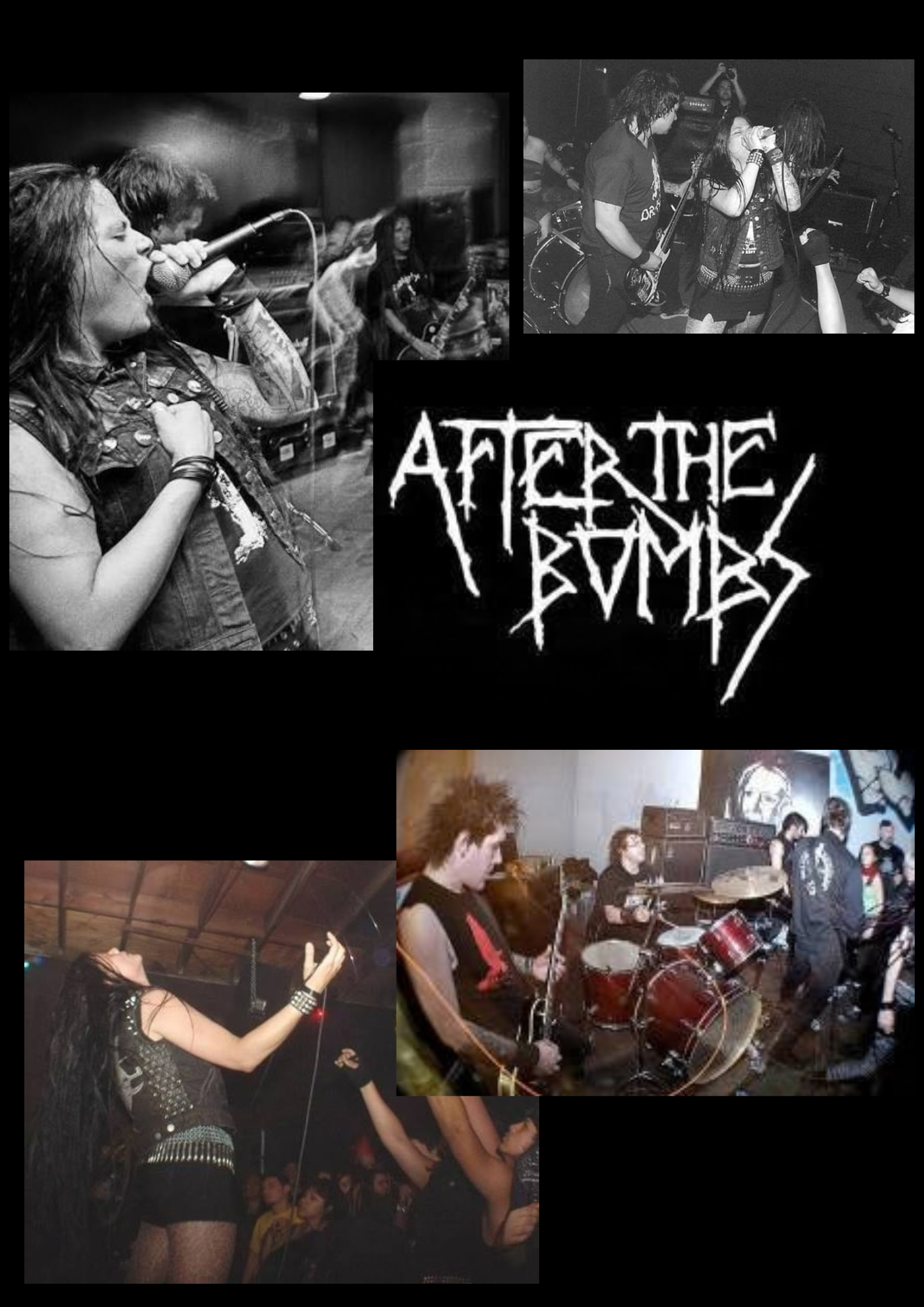
A After the Bombs surgiu em Montreal, em janeiro de 2004, em um momento em que o crust de matriz britânica voltava a ganhar força através de bandas que combinavam a sujeira e a urgência do punk com riffs mais pesados, lentos e, por vezes, próximos do thrash metal. Seu núcleo estético era bastante claro: o lado sombrio e metálico de Amebix, Sacrilege, Antisect, Deviated Instinct e Axegrinder encontrava a cadência d-beat/hardcore em meio a uma produção deliberadamente áspera e sufocante. A presença de Janick Varning nos vocais também foi determinante para a identidade do grupo, conferindo uma abordagem frontal e agressiva sem abrir mão da atmosfera apocalíptica que caracteriza o melhor do stenchcore.
A trajetória da banda foi breve, mas extremamente produtiva. Em 2005 lançou o EP Terminal Filth Stench Bastard; em 2007 vieram Relentless Onslaught, Spoils of War e o split/EP Bloody Aftermath / Black Horse of Famine; já em 2009 foi a vez de outro EP autointitulado. Posteriormente, em 2016, a Runstate Tapes reuniu 14 faixas na coletânea Complete Discography, com cerca de 55 minutos de duração, oferecendo uma forma acessível e definitiva de revisitar o legado da banda.
A After the Bombs não reinventou o crust punk, e aparentemente nunca teve essa pretensão. Seu mérito está justamente na maneira como executa, com absoluta convicção, uma tradição muito específica: o crust obscuro, metálico e apocalíptico, impulsionado pelo d-beat e tensionado por riffs de thrash. Quando a banda abraça a urgência e a curta duração das composições, como em Terminal Filth Stench Bastard, o resultado é direto, sujo e devastador. Já nas faixas mais longas, como as presentes em Relentless Onslaught, a mesma proposta revela tanto suas virtudes quanto suas limitações: riffs marcantes, atmosfera abundante e uma carga emocional intensa, mas também arranjos e uma produção que nem sempre conseguem sustentar toda a extensão das músicas.
Talvez seja justamente aí que resida o charme da banda. A After the Bombs representa uma época em que o crust punk ainda soava genuinamente ameaçador, carregando a herança do stenchcore sem transformá-la em mera reverência nostálgica. É um registro cru, honesto e apaixonado de uma cena que encontrou no peso, na melancolia e na agressividade uma forma legítima de expressão.
Before I begin, I should say that I am a great admirer of Janick’s work. Even so, this band has a special emotional appeal for the one writing these lines.
After the Bombs emerged in Montreal in January 2004, at a time when British-style crust was regaining strength through bands that combined the filth and urgency of punk with heavier, slower riffs, sometimes close to thrash metal. Their aesthetic core was very clear: the dark, metallic side of Amebix, Sacrilege, Antisect, Deviated Instinct and Axegrinder met the d-beat/hardcore cadence amid a deliberately harsh and suffocating production. Janick Varning’s presence on vocals was also decisive for the group’s identity, bringing a frontal, aggressive approach without giving up the apocalyptic atmosphere that defines the best of stenchcore.
The band’s run was brief but extremely productive. In 2005 they released the Terminal Filth Stench Bastard EP; 2007 brought Relentless Onslaught, Spoils of War and the split/EP Bloody Aftermath / Black Horse of Famine; and in 2009 came another self-titled EP. Later, in 2016, Runstate Tapes gathered 14 tracks on the Complete Discography compilation, about 55 minutes long, offering an accessible and definitive way to revisit the band’s legacy.
After the Bombs did not reinvent crust punk, and apparently never intended to. Their merit lies precisely in how they execute, with absolute conviction, a very specific tradition: dark, metallic, apocalyptic crust, driven by d-beat and tensioned by thrash riffs. When the band embraces urgency and short songs, as on Terminal Filth Stench Bastard, the result is direct, filthy and devastating. On the longer tracks, such as those on Relentless Onslaught, the same approach reveals both its virtues and its limitations: striking riffs, abundant atmosphere and intense emotional weight, but also arrangements and a production that cannot always sustain the full length of the songs.
Perhaps that is exactly where the band’s charm lies. After the Bombs represents a time when crust punk still sounded genuinely threatening, carrying the stenchcore heritage without turning it into mere nostalgic reverence. It is a raw, honest and passionate record of a scene that found in heaviness, melancholy and aggression a legitimate form of expression.