Witch Hunt Witch Hunt
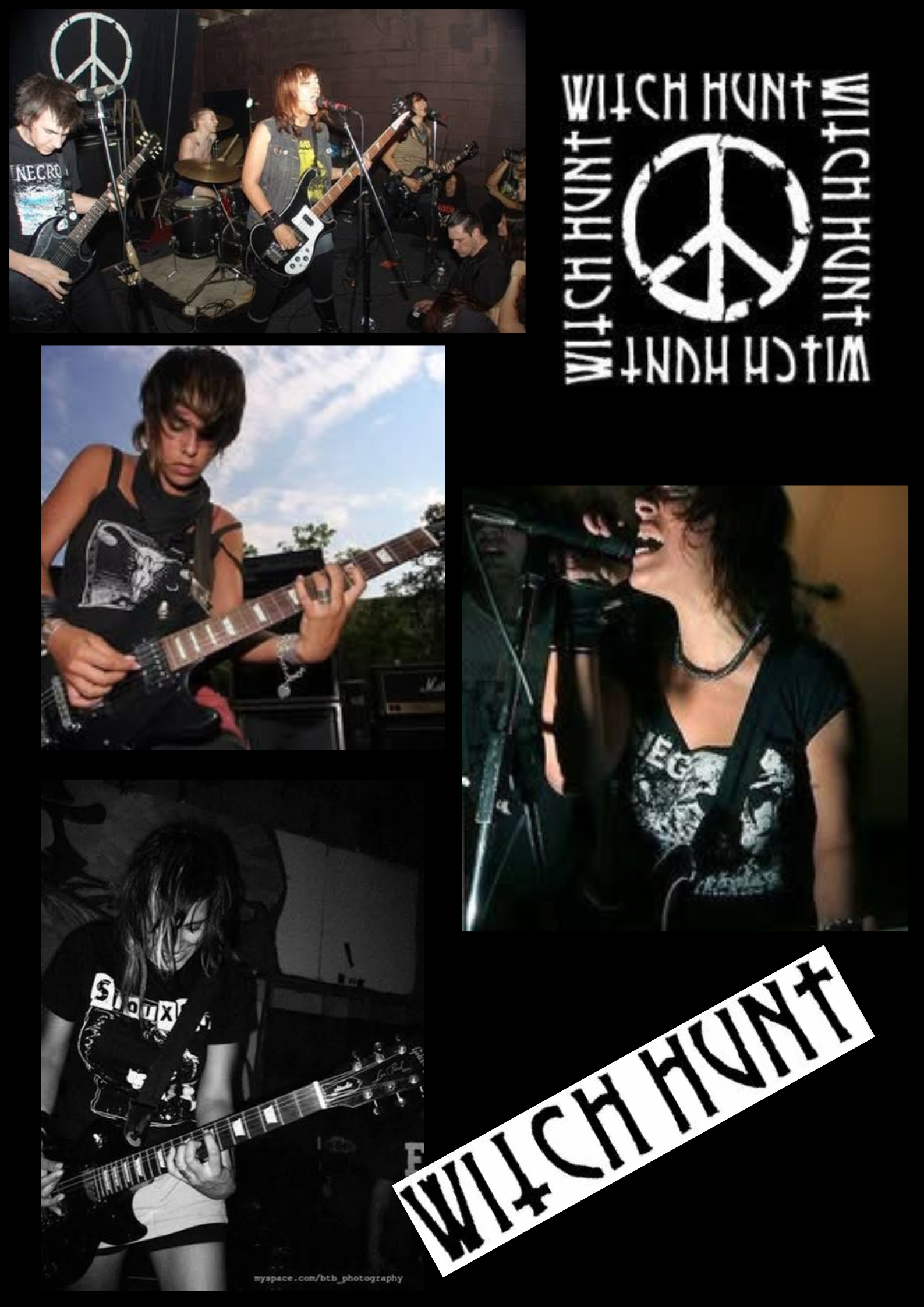
Witch Hunt ocupa um espaço particularmente fértil entre o anarcho-punk, o crust, o hardcore e o pós-hardcore. Sua música combina guitarras pesadas e melódicas, acelerações inspiradas no d-beat, vocais masculinos e femininos alternados ou harmonizados e refrães suficientemente marcantes para funcionarem como palavras de ordem. O resultado vai além de uma simples releitura nostálgica do punk político dos anos 1980. A banda utiliza essa tradição como ferramenta para abordar temas como imperialismo, guerra, religião organizada, abuso sexual, poder estatal, conformismo social, opressão e crise ambiental, combinando letras diretas com uma sonoridade em constante evolução.
A força da Witch Hunt reside justamente na tensão entre fúria e construção musical. O grupo preserva a aspereza característica do hardcore sem transformar a velocidade em um fim em si mesma. Álbuns como Blood-Red States e Burning Bridges to Nowhere revelam uma banda interessada não apenas em intensidade, mas também em peso, dinâmica, melodia e estruturas memoráveis. Seu principal risco está na eventual repetição de fórmulas tradicionais do punk de protesto, com ataques rápidos, slogans e temas já familiares ao gênero. No entanto, a qualidade dos arranjos e o diálogo constante entre as diferentes vozes impedem que essa limitação se imponha à obra como um todo.
A banda surgiu em 2001 como um trio. Janine Enriquez assumiu o baixo, Nicole Enriquez a guitarra e Rob Fitzpatrick a bateria, enquanto os três dividiam os vocais. As irmãs Enriquez e Fitzpatrick se conheceram na cena punk de Nova York, especialmente em torno de espaços autogeridos como o ABC No Rio, e formaram a Witch Hunt no norte de Nova Jersey.
Em 2005, Vince Klopfenstein ingressou como baterista, permitindo que Fitzpatrick migrasse para a guitarra. A mudança consolidou a formação clássica do grupo: Janine Enriquez no baixo e vocais, Nicole Enriquez na guitarra e vocais, Rob Fitzpatrick na guitarra e vocais e Vince Klopfenstein na bateria. Nesse mesmo período, a banda estabeleceu-se na Filadélfia, cidade cuja rede de shows, selos e coletivos DIY desempenhou papel fundamental em sua projeção dentro da cena punk norte-americana.
A Witch Hunt merece atenção por pelo menos três razões. Primeiro, porque consegue transformar questões políticas concretas em canções que não dependem exclusivamente do discurso para convencer. Segundo, porque sua formação e o compartilhamento dos vocais produzem uma identidade mais dinâmica e menos rígida do que a encontrada em muitos grupos de crust punk. Terceiro, porque sua discografia registra uma evolução perceptível, que vai do ataque veloz e concentrado dos primeiros anos a uma escrita mais ampla, melódica e sofisticada.
A banda não reinventou o anarcho-punk, o crust ou o hardcore político. Seu mérito está em recombinar essas linguagens com convicção, clareza e um aguçado senso de composição. Para quem deseja conhecê-la pela primeira vez, Blood-Red States é a porta de entrada ideal, seguido por Burning Bridges to Nowhere. O primeiro oferece a síntese mais explosiva de sua proposta; o segundo mostra o que acontece quando a mesma urgência aprende a respirar e expandir seus horizontes.
Witch Hunt occupies a particularly fertile space between anarcho-punk, crust, hardcore, and post-hardcore. Their music combines heavy, melodic guitars, d-beat-inspired bursts of speed, male and female vocals traded or harmonized, and choruses striking enough to work as rallying cries. The result goes beyond a simple nostalgic rereading of 1980s political punk. The band uses that tradition as a tool to address themes like imperialism, war, organized religion, sexual abuse, state power, social conformity, oppression, and environmental crisis, pairing direct lyrics with a constantly evolving sound.
Witch Hunt’s strength lies precisely in the tension between fury and musical construction. The group preserves hardcore’s characteristic harshness without turning speed into an end in itself. Albums like Blood-Red States and Burning Bridges to Nowhere reveal a band interested not only in intensity, but also in weight, dynamics, melody, and memorable structures. Its main risk is the occasional repetition of traditional protest-punk formulas, with fast attacks, slogans, and themes already familiar to the genre. Even so, the quality of the arrangements and the constant dialogue between the different voices keep that limitation from taking over the work as a whole.
The band started in 2001 as a trio. Janine Enriquez took bass, Nicole Enriquez guitar, and Rob Fitzpatrick drums, with all three sharing vocals. The Enriquez sisters and Fitzpatrick met in the New York punk scene, especially around self-managed spaces like ABC No Rio, and formed Witch Hunt in northern New Jersey.
In 2005, Vince Klopfenstein joined on drums, letting Fitzpatrick move to guitar. The change cemented the group’s classic lineup: Janine Enriquez on bass and vocals, Nicole Enriquez on guitar and vocals, Rob Fitzpatrick on guitar and vocals, and Vince Klopfenstein on drums. In that same period, the band settled in Philadelphia, a city whose network of shows, labels, and DIY collectives played a key role in raising their profile within the North American punk scene.
Witch Hunt deserves attention for at least three reasons. First, because it manages to turn concrete political issues into songs that don’t rely on discourse alone to convince. Second, because its lineup and shared vocals produce a more dynamic, less rigid identity than the one found in many crust punk groups. Third, because its discography records a noticeable evolution, going from the fast, concentrated attack of the early years to broader, more melodic, more sophisticated writing.
The band didn’t reinvent anarcho-punk, crust, or political hardcore. Its merit lies in recombining those languages with conviction, clarity, and a sharp sense of composition. For anyone getting to know them for the first time, Blood-Red States is the ideal entry point, followed by Burning Bridges to Nowhere. The first offers the most explosive synthesis of what they do; the second shows what happens when that same urgency learns to breathe and expand its horizons.